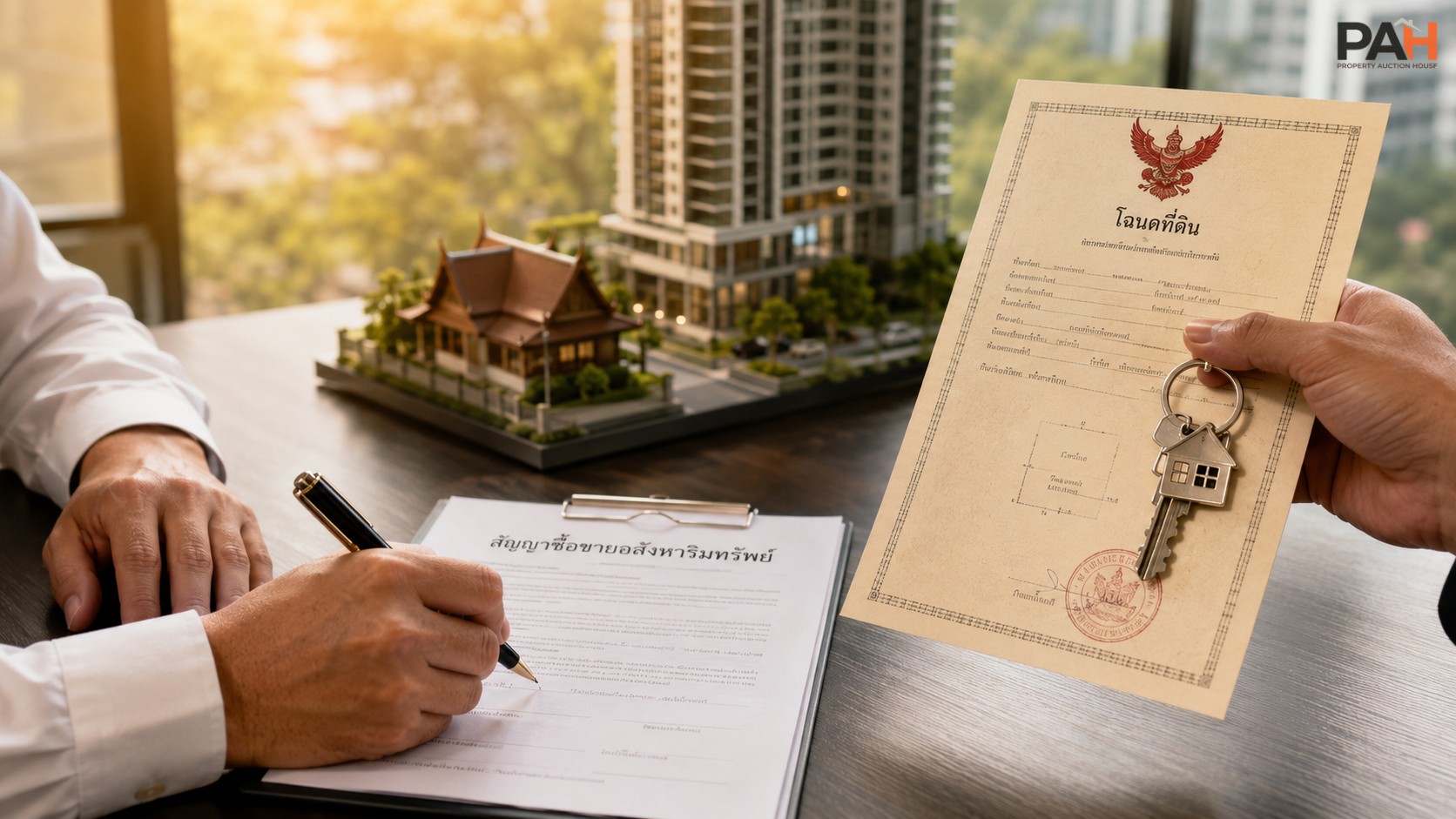
“Before Being Sued” Is the Most Critical Period
Before a creditor files a lawsuit, property owners still have full decision-making control—over price, sale method, timing, and debt negotiation.
Once a case enters court, these controls gradually disappear.
What Owners Can Still Control Before Litigation
Owners can still:
Decide whether to sell
Choose the sale method (direct sale or auction)
Set starting prices and conditions
Negotiate with creditors
Plan structured debt settlement
This is the only phase where choices outweigh enforcement.
What Becomes Uncontrollable After Litigation
After a lawsuit and enforcement begin:
Sale methods are no longer optional
Prices follow legal procedures
Court, legal, and interest costs accumulate
Risks of low sale prices and remaining debt increase
Waiting until this stage increases costs unnecessarily.
The Last Proactive Option
Selling before litigation is not surrender—it is net value preservation and risk prevention.
FAQ
Q1: What should be the first step before being sued?
A: Assess the debt and property status, and conduct a property inspection to determine realistic sale pricing.
Q2: Does the creditor need to approve a pre-litigation sale?
A: Generally no, but clear communication and repayment planning are recommended.
Q3: Is it risky to wait if I haven’t been sued yet?
A: Yes, because interest and depreciation continue to accumulate.
Q4: Does selling before litigation help protect credit?
A: Yes, by avoiding lawsuits and enforcement actions.
Q5: Is auction suitable as a last option?
A: Yes, because it creates competition and accelerates buyer decisions.