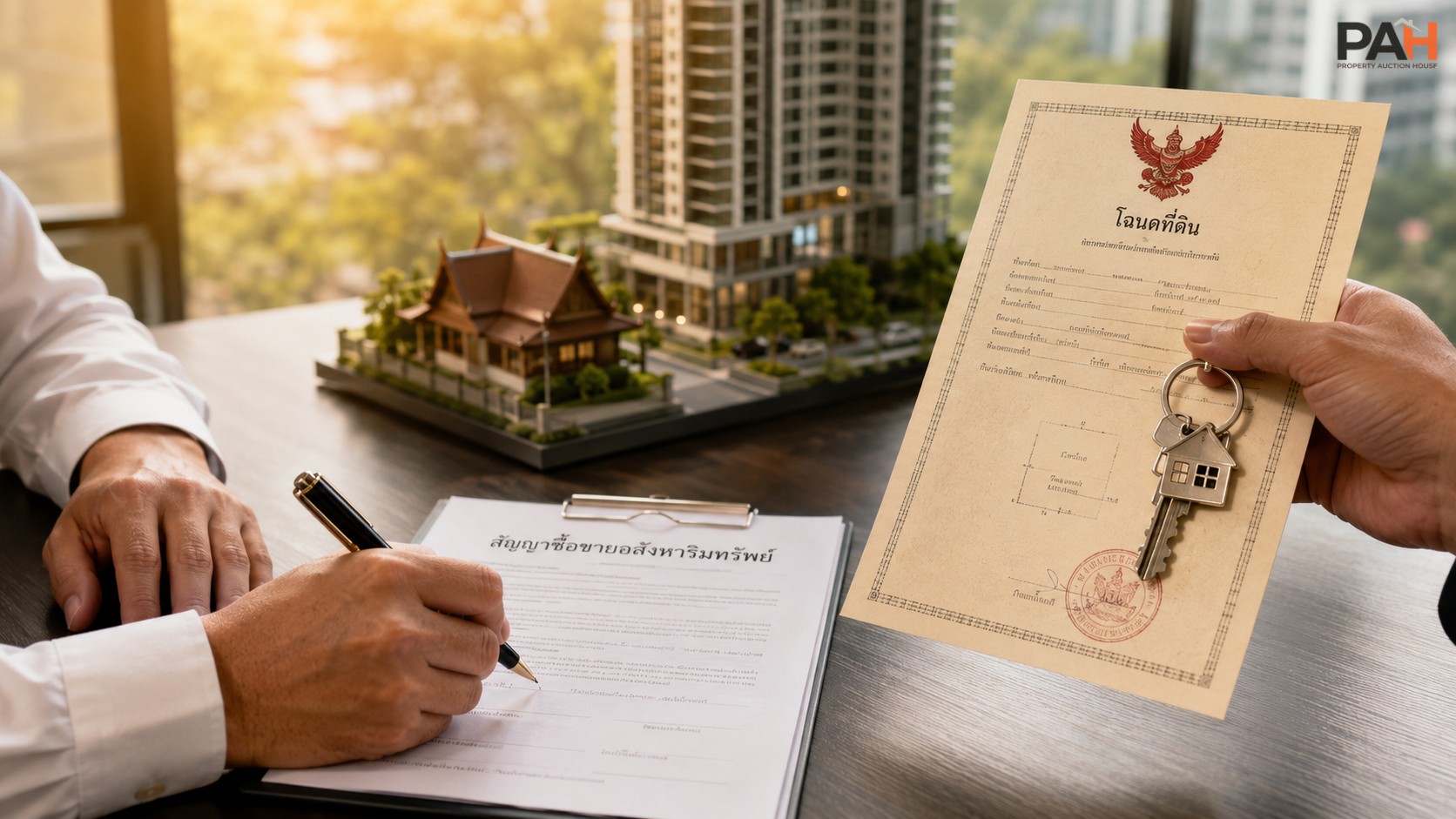
Why Do “Good” Houses Fail to Sell?
Many properties are not unsellable—they are unsellable at the asking price. The issue often lies in pricing logic and sales strategy rather than the asset itself.
Below are 7 common reasons properties remain on the market.
1) Overpricing Beyond Market Acceptance
The most common reason. Owners rely on sunk cost, asking prices, or emotions—while buyers rely on actual closed deals.
2) Ignoring Depreciation and Repair Costs
Buyers deduct renovation and post-transfer costs from their offers.
3) Legal or Occupancy Uncertainty
Mortgages, litigation, tenants, or unclear documentation increase risk—and reduce price.
4) Mismatched Buyer Target
Pricing and terms must align with buyer financing and intent.
5) No Urgency or Deadline
Open-ended listings slow decisions and extend holding costs.
6) Lack of Transparency
Unclear or incomplete information triggers risk discounts—or buyer withdrawal.
7) No Competitive Selling Mechanism
One-on-one negotiation lacks price pressure. Auctions create competition and momentum.
Practical Takeaway
Ask:
Is the price market-realistic?
What risks do buyers see?
Does the method create competition?
FAQ
Q1: What if I’ve already reduced the price?
A: Ensure it aligns with real market levels and demand creation.
Q2: Can a good-condition house still fail to sell?
A: Yes—if pricing or targeting is wrong.
Q3: Why does time on market hurt sales?
A: Buyers perceive hidden problems and negotiate harder.
Q4: How do auctions help?
A: They create urgency and buyer competition.
Q5: Should I adjust price or method first?
A: Evaluate both together for market alignment.