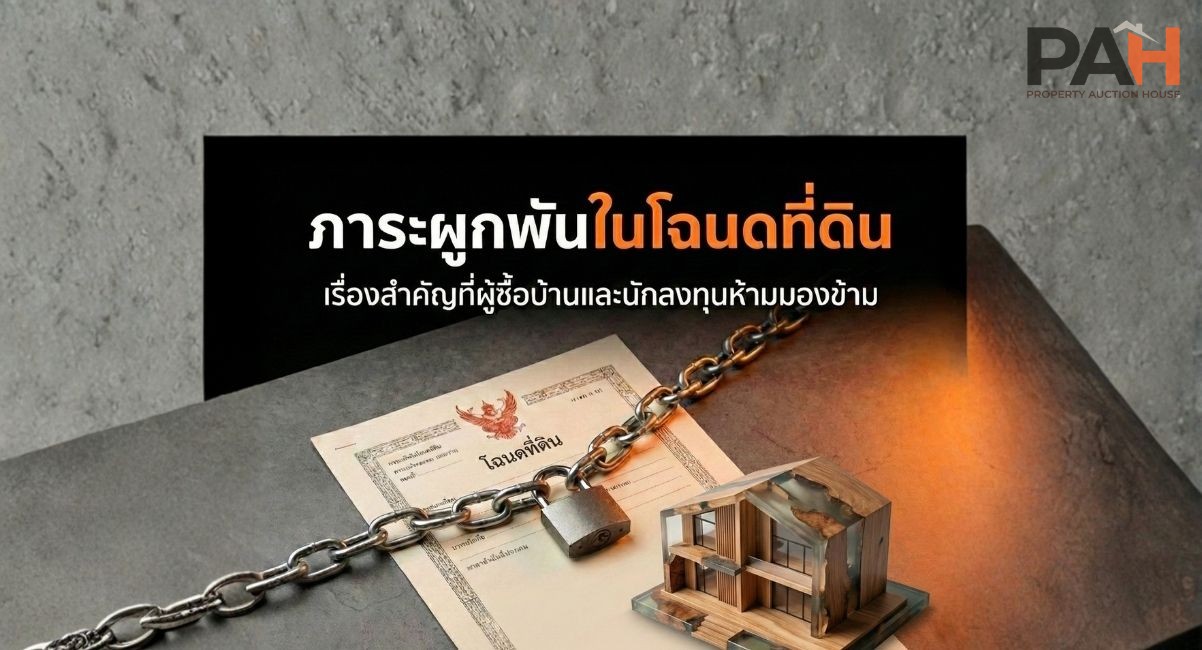
What Is an Easement (Servitude)
A Detailed Guide Buyers and Investors Must Understand
In property transactions, many buyers focus on price and condition but overlook easements, which can significantly affect how land may be used even when ownership is legally transferred.
What Is an Easement
An easement is a legal right allowing another person or land parcel to use part of your land for a specific purpose, such as access, drainage, or utilities.
Easements are attached to the land, not the owner. They remain effective even after ownership transfer unless legally removed.
How Easements Are Created
Easements may arise from:
Registered agreements
Land subdivision requiring access
Continuous use under legal conditions
Court orders or legal settlements
Once registered, easements are legally binding.
Common Types of Easements
Right of way
Drainage easement
Utility easement
Shared-use areas
Impact on Buyers
Undisclosed easements may:
Restrict construction or renovation
Require allowing third-party use
Affect property value and resale
Cause future disputes
How to Check for Easements
Review the back of the title deed
Obtain a certified copy from the Land Office
Inspect actual boundaries
Seek professional advice if uncertain
Can Easements Be Removed
Easements remain unless:
Both parties agree and register cancellation
Legal conditions for termination are met
A court order revokes the easement
Conclusion
Easements may seem minor but can significantly affect property use and value. Understanding them ensures safer and more informed property decisions.
FAQ
Q1: What is an easement?
A: A legal right allowing others to use part of your land.
Q2: Does an easement end when ownership changes?
A: No. It remains attached to the land.
Q3: Can easements limit construction?
A: Yes. Certain areas may not be built on.
Q4: Can buyers refuse an existing easement?
A: No. Registered easements must be accepted.
Q5: How can easements be verified?
A: By checking the title deed and Land Office records.