Property Auction by Thailand Legal Execution Department: Complete Guide to Buying Auction Houses Safely
Introduction
Buying a house through a property auction in Thailand is one of the most cost-effective ways to acquire real estate below market value. Properties auctioned by the Legal Execution Department (LED) are sold under court enforcement procedures, offering transparency and legal certainty—provided buyers fully understand the rules.
This complete guide explains how property auctions in Thailand work, how to read auction announcements, the meaning of legal terms such as mortgaged property, withdrawn seizure, auction suspended, and no bidder, as well as deposit requirements, bidding steps, property inspection, and ownership transfer.
What Is a Property Auction by the Legal Execution Department?
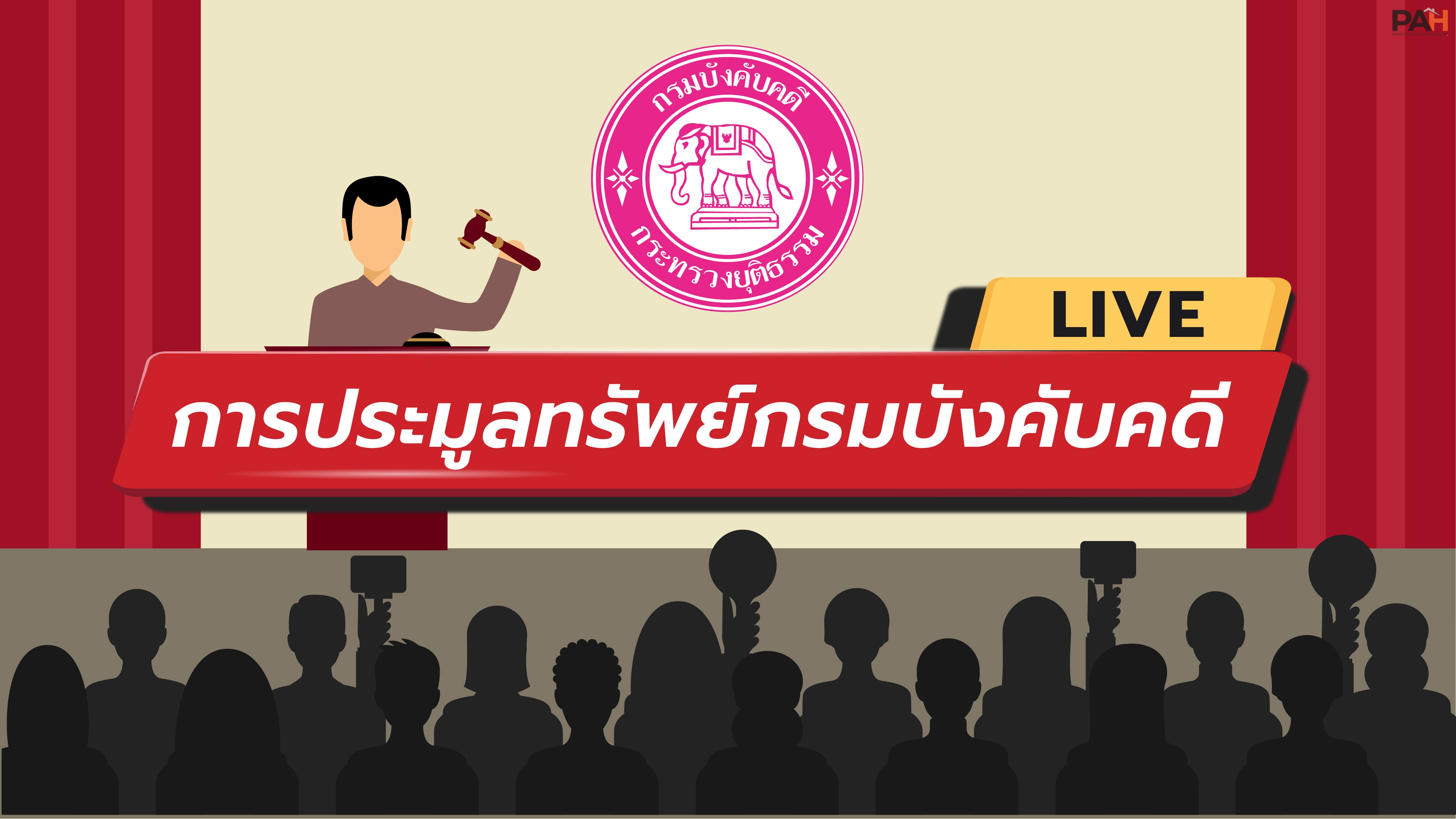
A property auction conducted by the Legal Execution Department is a court-ordered public auction of assets seized from debtors following a final court judgment. The proceeds are used to repay creditors according to Thai law.
Auctioned properties include:
Houses
Condominiums
Land
Commercial buildings
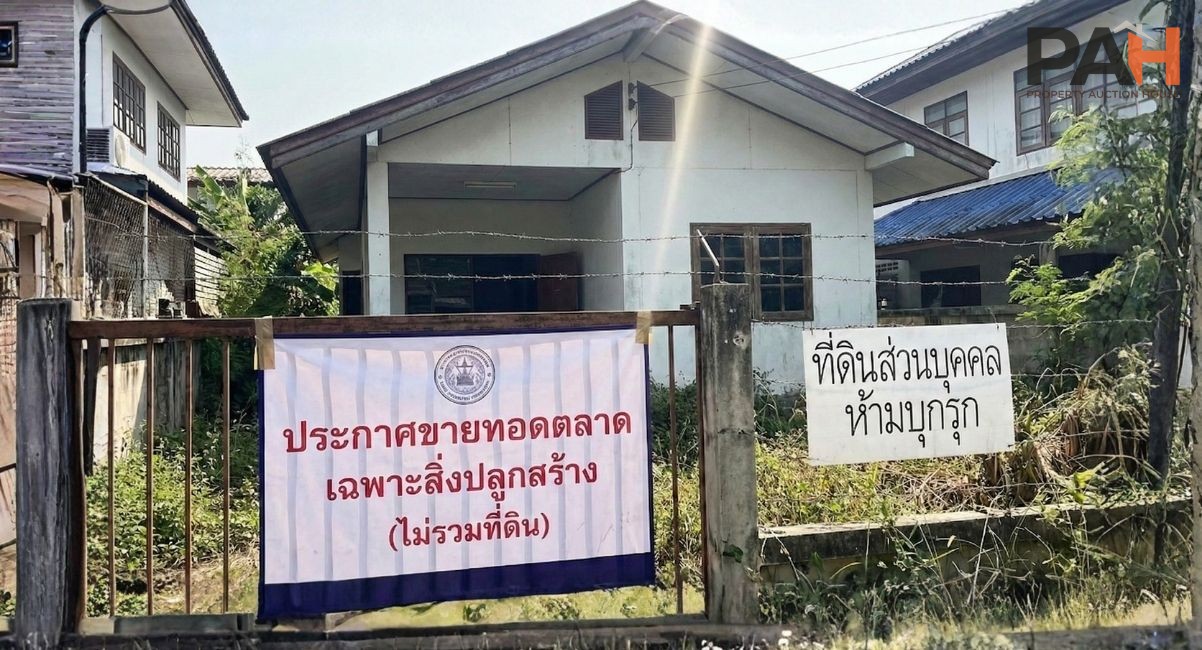
All properties are sold “as-is”, without warranties. Buyers must conduct their own due diligence before bidding.
How to Read a Thailand Property Auction Announcement Correctly
Understanding auction announcements is critical because every line has legal implications.
1. Mortgaged Property / Encumbrances
The property remains subject to a mortgage or legal encumbrance.
The winning bidder may need to accept or clear the encumbrance before ownership transfer.
2. Withdrawal of Seizure
The property has been removed from enforcement and will not be auctioned in that round.
3. Auction Suspended
The sale is temporarily suspended by court order or creditor request.
The property may return to auction later.
4. No Bidder
No participants placed a bid.
The property will usually be re-auctioned at a lower reserve price.
Auction Rules and Legal Conditions in Thailand
All bidders must comply with official auction regulations:
Valid ID or company registration documents required
Deposit payment mandatory before bidding
Open competitive bidding
Once the hammer falls, the sale is final
The buyer bears all risks related to property condition and occupancy
Auction Deposit Requirements
Typically 10–20% of the appraised value
Paid by cash or cashier’s cheque (as specified)
Unsuccessful bidders receive a full refund
Failure to complete payment after winning results in deposit forfeiture
Bidding Process Step by Step
Register as a bidder
Pay the auction deposit
Listen to auction conditions
Submit bids competitively
Highest bid wins upon hammer fall
⚠️ Bidding is a legally binding act under Thai law.
Property Inspection Before Auction: What You Must Know

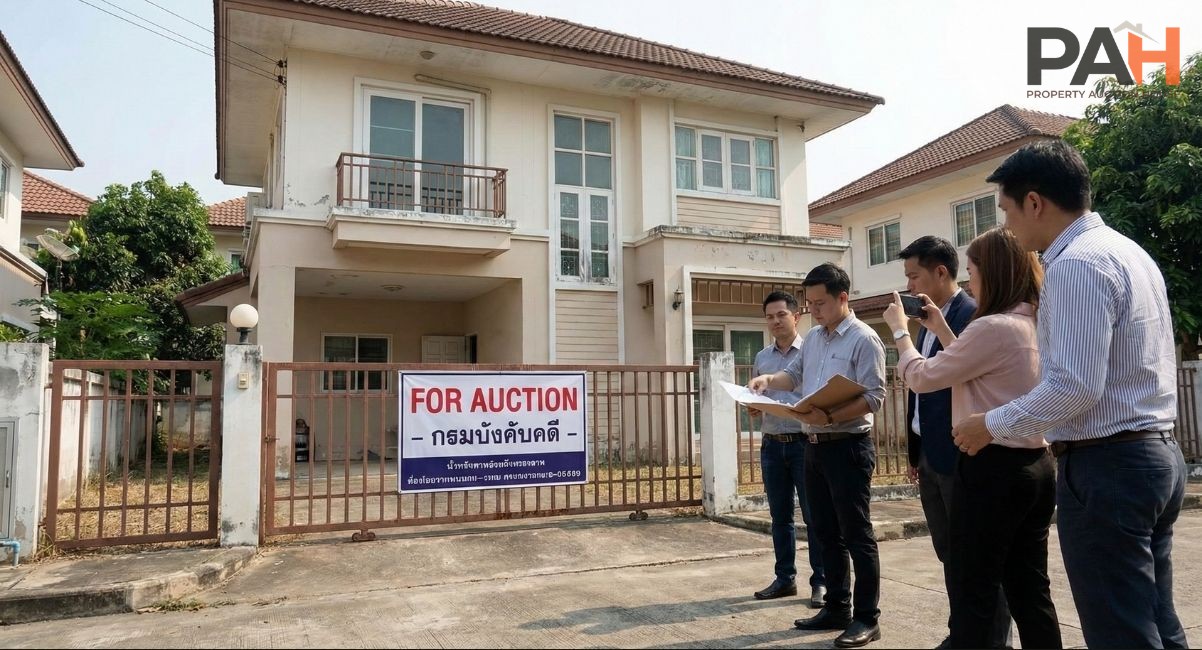
Interior inspection is usually not permitted. Buyers should assess:
Exterior condition
Photos in auction announcements
Location and neighborhood
Properties may be:
Occupied
Vacant but containing belongings
Requiring legal eviction after transfer
Payment and Ownership Transfer
Remaining balance paid within the specified period (e.g. 15–30 days)
Official documents issued by the Legal Execution Department
Buyer pays transfer fees, taxes, and duties
Ownership registered at the Land Office
Frequently Asked Questions (FAQ)
Are auction houses in Thailand really cheaper than market price?
Yes, but buyers must consider renovation costs, taxes, and legal risks.
What if someone is living in the auctioned house?
The buyer must handle eviction or negotiation legally after ownership transfer.
Can foreigners buy auction properties in Thailand?
Foreign ownership is restricted under Thai law. Legal advice is recommended.
Can I cancel after winning an auction?
No. Failure to pay results in deposit forfeiture.
Who is responsible for legal issues after purchase?
The buyer assumes full responsibility. Due diligence is essential.
Conclusion
Buying property through Thailand Legal Execution Department auctions can be highly rewarding if approached with proper knowledge and preparation. Understanding auction announcements, legal conditions, and post-auction obligations is the key to minimizing risk and maximizing value.