The "Eco-Friendly NPA Home" Trend: Renovating an Old House to Save Energy in Eco-Minimalist Style
Buying an NPA (Non-Performing Asset) or a second-hand home to renovate is a popular choice for those seeking a good location at an affordable price. However, the classic problem with older homes is their "energy-inefficient design." Low ceilings, small windows, heat-trapping structures, and outdated electrical systems can consume massive amounts of electricity.
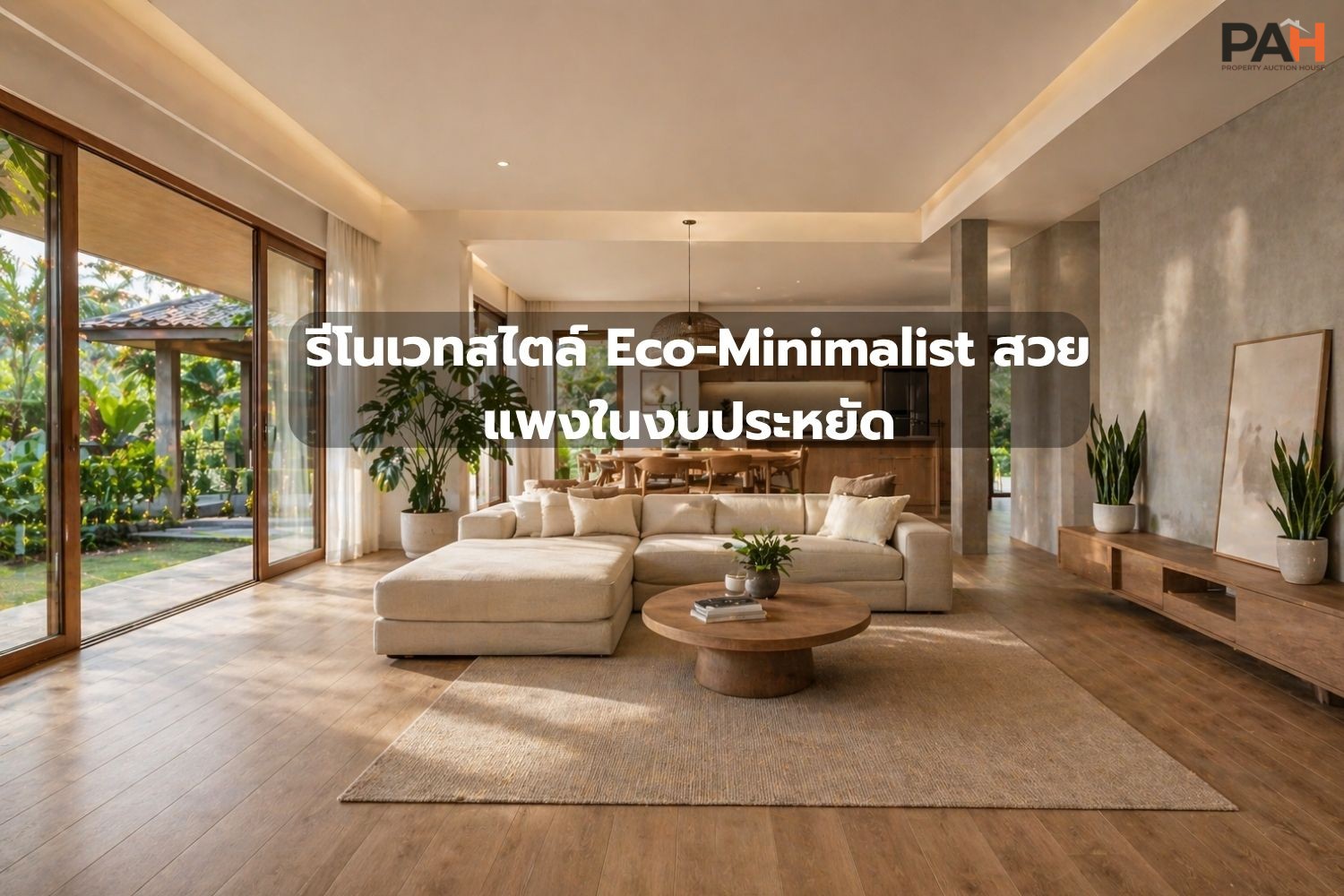
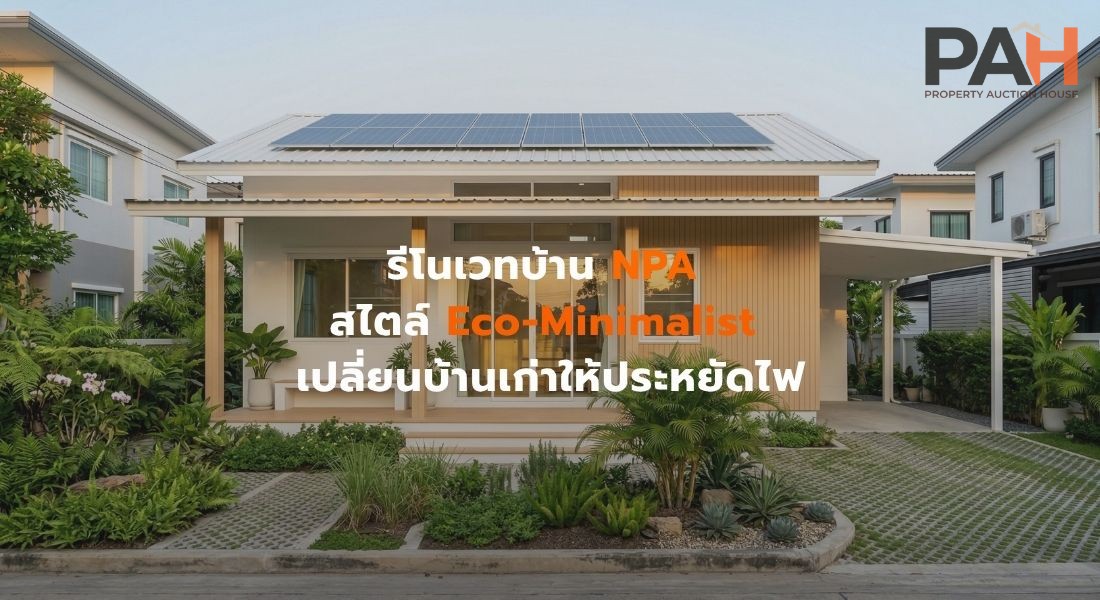
In an era of ever-rising electricity costs, the Eco-Minimalist renovation trend offers the perfect solution. It goes beyond simple, visually pleasing decor to focus on sustainable "eco-friendly and money-saving" functions. This article will guide you through 5 techniques to turn an old NPA property into an energy-efficient home in the Eco-Minimalist style.
What is the Eco-Minimalist Style?
Eco-Minimalism is the intersection of two concepts:
Minimalism (Less is More): Eliminating the unnecessary, focusing on open spaces, and using fewer pieces of furniture that offer high functionality.
Eco-Friendly: Choosing sustainable materials and designing to maximize natural energy, thereby reducing reliance on electrical appliances.
5 Eco-Minimalist Renovation Techniques for NPA Homes
1. Break the Mold: Make Way for "Light and Wind" (Natural Ventilation & Light) Older homes are often divided into small rooms, making them dark and restricting airflow.
Solution: Knock down non-load-bearing walls to create an Open Plan layout that seamlessly connects the spaces.
Replace opaque louvered windows with large glass panels or awning windows to let in daylight, reducing the need for artificial lighting. Design for cross ventilation by placing air inlets and outlets opposite each other to cool the house naturally.
2. Add a "Heat Shield" to the Roof and Walls Over 70% of heat enters through the roof. Renovating an NPA home is the perfect opportunity to tackle this issue.
Install roof insulation (such as 6-inch fiberglass insulation or PU foam) beneath the roof.
Repaint the exterior using light-colored "Cool Paint" to reflect heat. This aligns perfectly with the minimalist aesthetic and helps reduce heat accumulation inside, ensuring your air conditioner doesn't have to work as hard.
3. Tear Out Old Wiring and Upgrade to Smart & Eco-Lighting NPA properties over 10-15 years old often have deteriorated wiring, which is not only dangerous but can also cause power leaks that waste electricity.
Rewire the entire house and replace all bulbs with LED lights in Warm White or Daylight tones, which consume up to 80% less energy than old fluorescent tubes.
If your budget allows, installing a small Solar Roof system to power your air conditioner during the day is a highly effective trend for noticeably reducing electricity bills.
4. The Charm of Upcycled Materials The Eco-Minimalist style doesn't require buying everything brand new. Preserving and restoring the original materials of an NPA home is a classic, eco-friendly approach.
If the original house has "parquet flooring" or "solid wood stairs," sand and refinish them instead of tearing them out.
Choose interior paints with Low-VOC formulas to ensure the residents' health and safety while remaining environmentally friendly.
5. Bring Nature Indoors (Biophilic Design) Add life to your minimalist home with a touch of greenery.
Dedicate a small corner to create a Pocket Garden or a Vertical Garden.
Indoor plants not only act as natural air purifiers, but psychologically, the color green helps the house feel cooler and makes the residents feel more relaxed.
Conclusion
Renovating an NPA home in the Eco-Minimalist style is more than just a passing trend; it's a worthwhile long-term investment. Not only do you get a beautiful, aesthetically pleasing home, but the "energy-saving foundation" you build during the renovation will pay for itself through lower electricity bills every month. Furthermore, it adds significant value to the property if you decide to sell or rent it out in the future.