Whenever there is news of armed conflict or geopolitical tensions, the stock market typically plummets and gold often surges. However, for "real estate," a less liquid asset, the impact is rarely immediate; instead, it gradually permeates through the economic structure.
As a real estate investor, here are the 4 main phenomena resulting from war crises and how we can adapt to seize opportunities from this situation.
1. Cost-Push Inflation: Construction costs soar, pushing new home prices through the ceiling
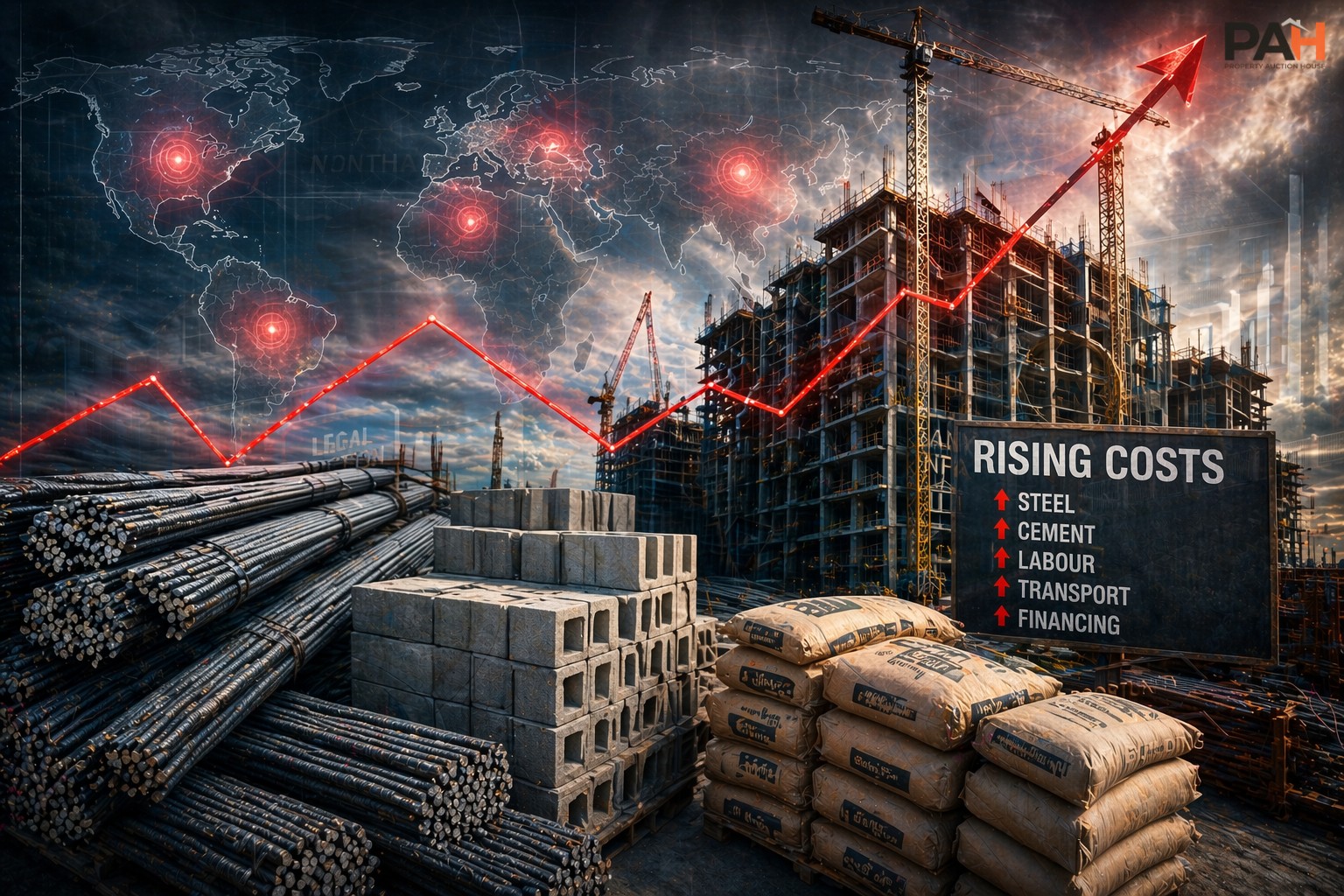
The first inevitable impact of war is the surge in "oil and energy prices," which disrupts the supply chain, increases logistics costs, and most severely, drives up the prices of key construction materials like steel, cement, and aluminum.
Impact: Major developers face significantly higher costs for new projects, forcing the launch prices of new homes and condos to rise in line with actual costs (Cost-Push Inflation).
2. The Golden Age of Second-hand Homes and NPA Properties
When new home prices become so expensive that the middle class and younger generations are priced out (Affordability Crisis), the demand for housing will immediately shift toward the "second-hand home" market.
The Opportunity: This is a golden moment for flippers. Second-hand townhomes or auctioned properties from the Legal Execution Department in suburban areas with convenient transit, such as Pak Kret, Nonthaburi, or Rangsit, Pathum Thani, will become highly sought-after assets. If you renovate an old house with a minimalist tone, you can set a sale price "lower than new homes in the same neighborhood" while still maintaining a very satisfying profit margin (Capital Gain).
3. Thailand as a "Safe Haven": Capital flight wave
When their home countries are unstable, wealthy individuals and foreign investors often look for a "Safe Haven" to move capital (Capital Flight) and relocate their families for long-term residency. Thailand, with its political neutrality, reasonable cost of living, and world-class Medical Hub, is a top-tier choice.
Impact: We will see a significant increase in demand for cash-purchased condominiums by foreigners, whether from groups fleeing war zones or wealthy individuals from neighboring countries seeking stability. This benefits the luxury condo market and long-term rental demand in CBD locations.
4. Interest Rate Volatility
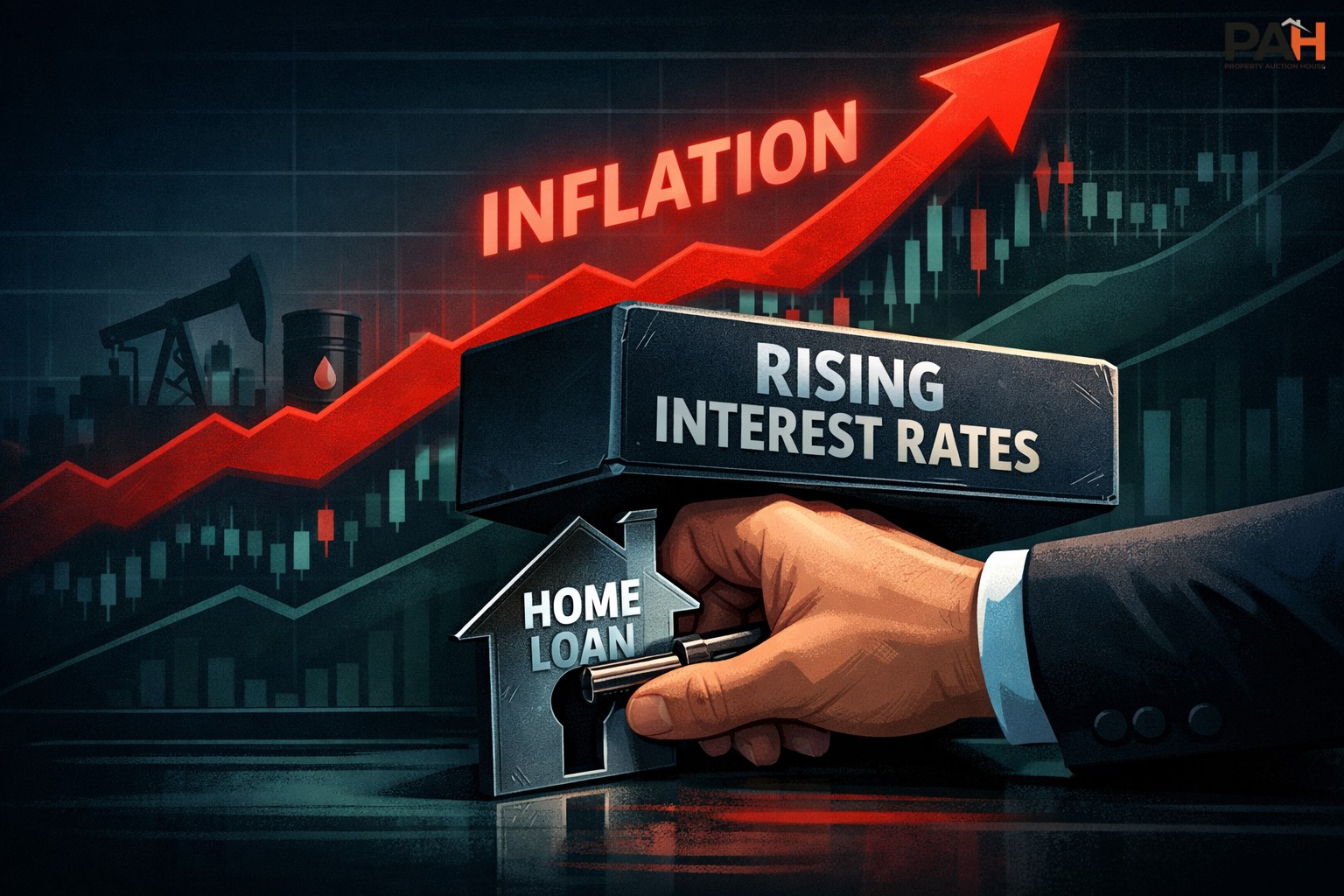
War conditions often bring "inflation," which may lead central banks to maintain high interest rates to curb inflation, subsequently increasing mortgage rates for homebuyers.
The Opportunity: Tighter economic conditions will lead to an increase in "Non-Performing Loans (NPLs)" in the system. This means more high-quality "foreclosed homes (NPA)" will enter the market and auctions. Investors with good cash flow management and "cool money" (long-term capital) will have more bargaining power to scoop up properties at prices below market value than in normal economic times.
Conclusion
War and geopolitical crises are like a massive storm buffeting the global economy, but in the world of real estate investment, "where there is a crisis, there is always a shift in wealth."
When new home costs are sky-high and people demand maximum value, pivoting to the NPA market or renovating second-hand homes for resale is not just a profit-making strategy, but the most effective way to create a "solution" that truly addresses the purchasing power of Thai people in these challenging economic times.