When talking about an oil crisis, many people might only think about rising travel costs. However, from a macroeconomic perspective, oil is the "lifeblood" of all production and transportation costs. When oil becomes expensive, the real estate market inevitably feels the impact.
For investors and those planning to buy a home, here are 4 shockwaves from the oil crisis you need to know to adjust your strategy in time.
1. The Cost-Push Effect: The Construction Domino
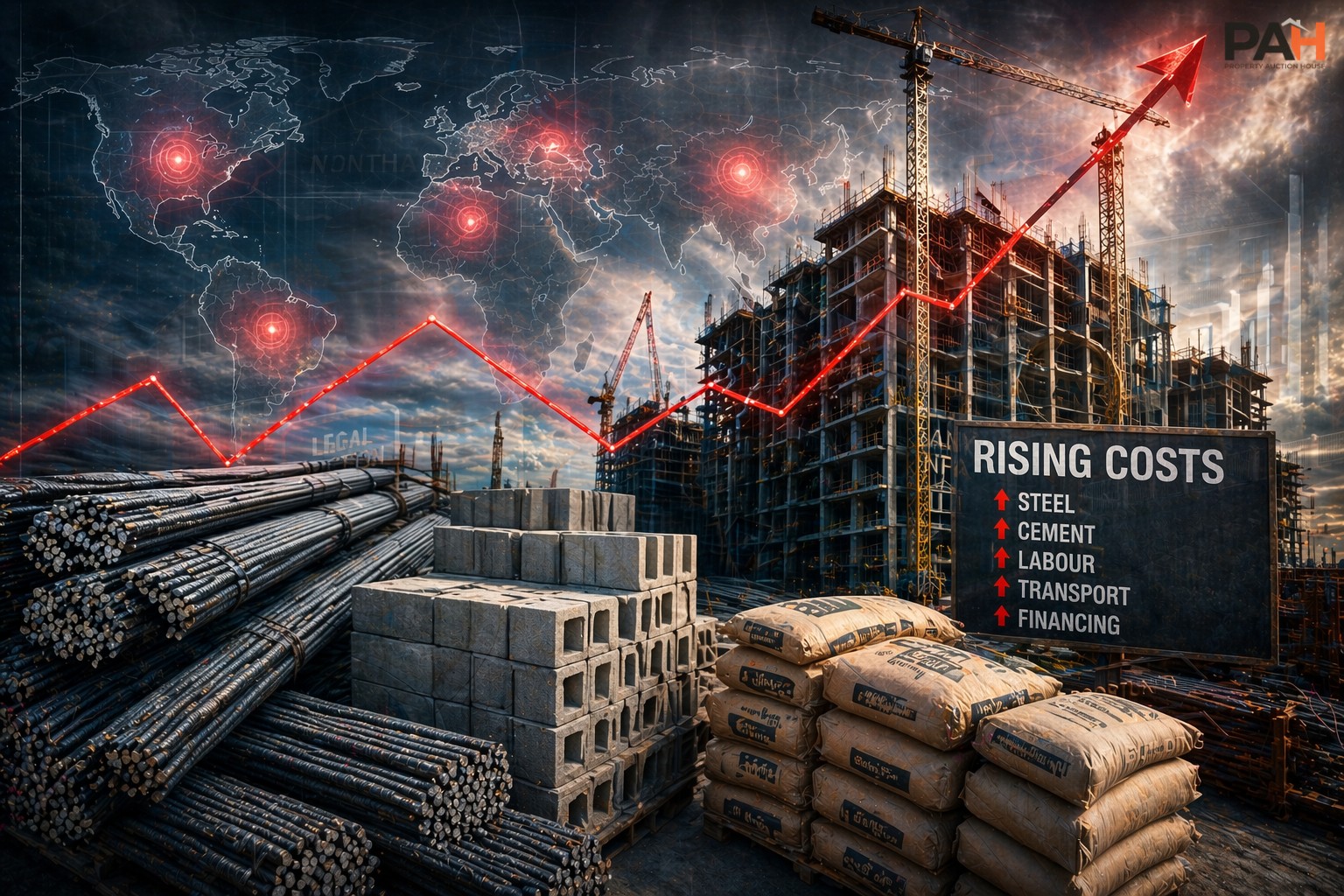
A house consists of thousands of building materials—steel, cement, tiles—all of which are heavy and rely on "logistics" for transportation.
Impact: When diesel prices surge, transportation costs for these materials adjust immediately (sometimes producers may take the opportunity to raise prices as well). This forces developers launching new projects to absorb higher costs, and they inevitably have to "pass on" this burden to consumers through higher prices for new homes.
2. A Fundamental Shift in "Location" Preferences
In an era of cheap oil, people might choose to buy a detached house far in the suburbs to gain more space while driving into the city for work. But when facing an oil crisis, this equation changes.
Impact: Buyers will begin to calculate "long-term commuting costs over the life of the mortgage" more carefully. This makes fringe locations connected to mass transit, such as townhomes in Pak Kret (Nonthaburi) or Rangsit (Pathum Thani), where one can easily connect to the electric train, highly sought after again. Meanwhile, condominiums along transit lines will see renewed activity from those who can no longer bear the cost of fuel.
3. Rising Interest Rates: The Bitter Pill for Inflation
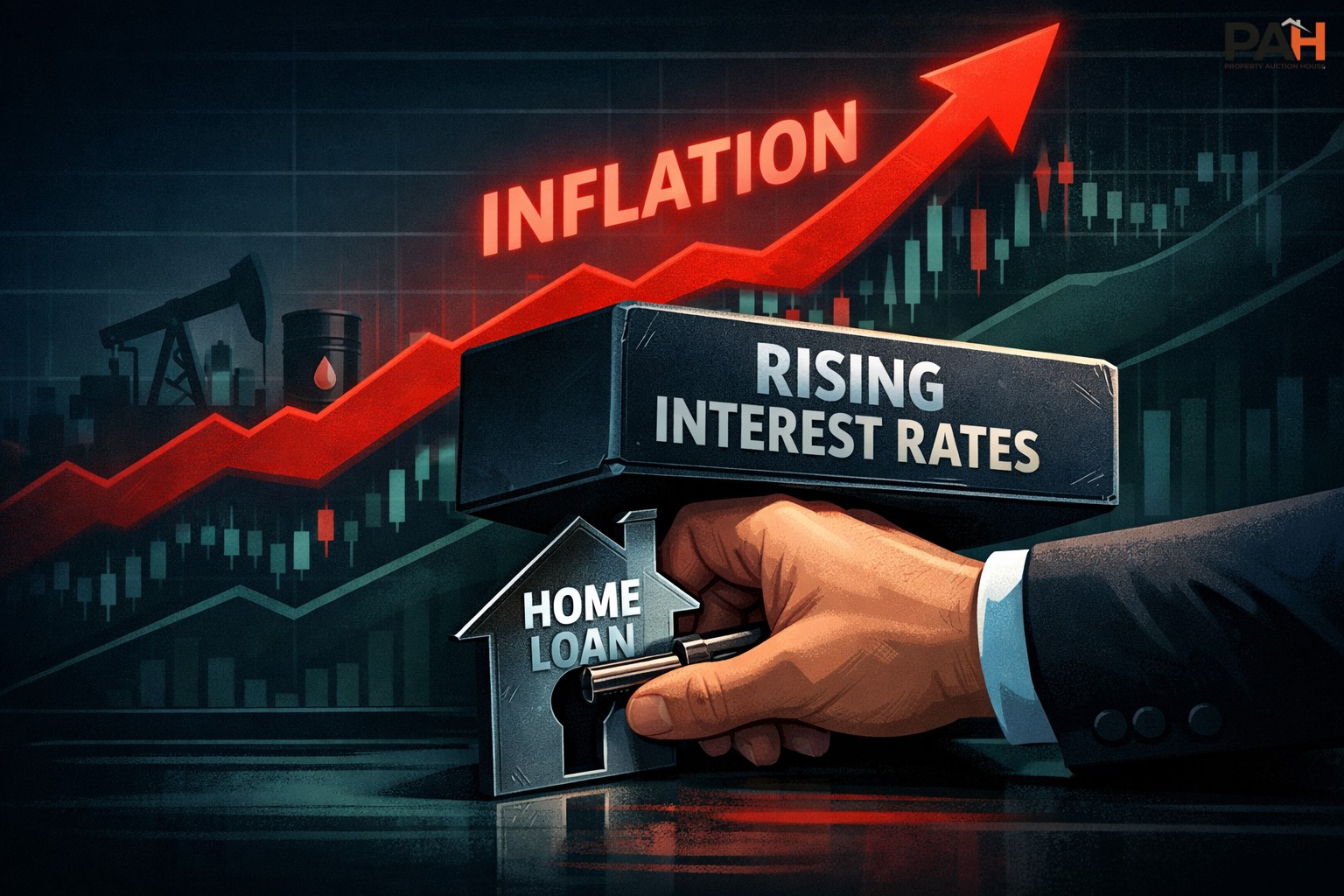
Expensive oil is a primary driver of "inflation." When goods and services become more expensive, central banks often use the classic tool of "raising policy interest rates" to curb inflation.
Impact: When interest rates rise, mortgage rates adjust accordingly, increasing monthly installments for buyers and reducing their borrowing capacity. It will become harder for the middle class to finance expensive new homes.
4. A Golden Opportunity for "Second-Hand Homes and Flippers"
Amidst the soaring costs of new projects, this is the "harvest" time for property flippers and NPA (Non-Performing Asset) investors.
Your Opportunity: Second-hand properties are real estate with "construction costs locked in the past" (built when materials were cheaper). If you acquire a second-hand townhome in a high-potential location and renovate it using an Eco-Minimalist style—reducing heavy built-ins to save on currently expensive materials and logistics—you can comfortably set a selling price "lower" than new homes in the same area while still maintaining a beautiful profit margin. This effectively meets the needs of people who want a home but cannot afford the price of new developments.
Conclusion
An oil crisis may cause many industries to stumble, but for real estate investors who can read the game, it is a catalyst that makes "value" the number one factor in consumer decision-making. Focusing on the second-hand market, keeping renovation costs precise, and choosing locations that solve commuting needs will help you turn this energy crisis into sustainable portfolio profits!