Easement vs Public Road: What’s the Difference?
A Clear Legal Comparison for Property Buyers
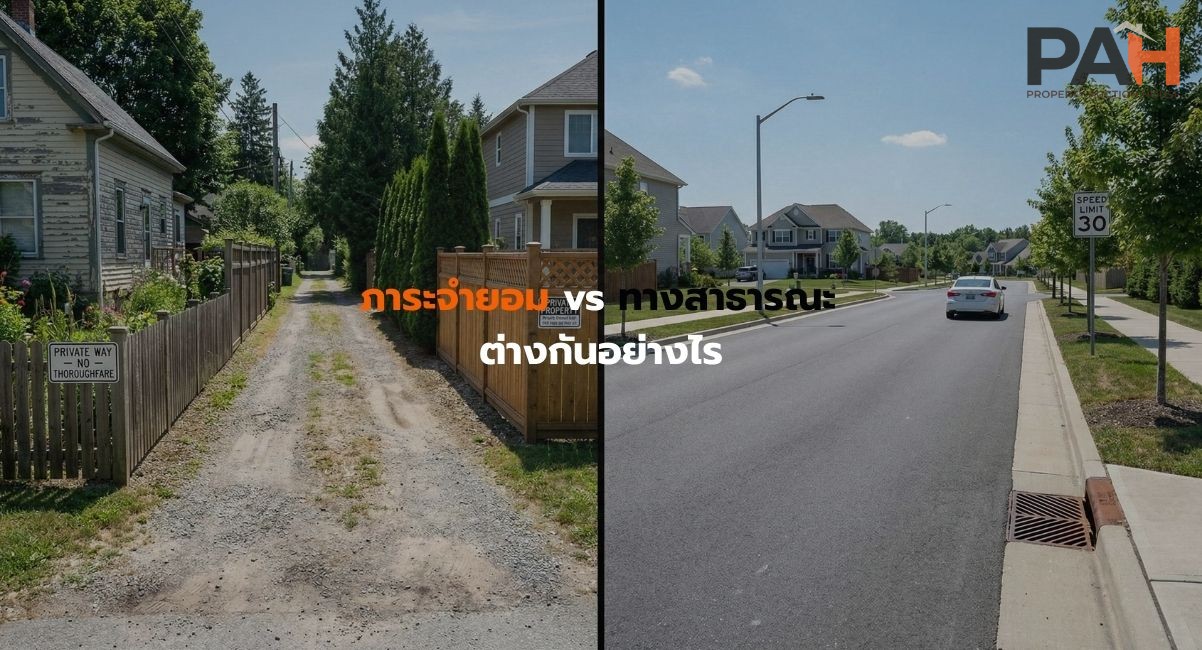
Many buyers confuse easements with public roads, even though they have very different legal implications. Misunderstanding this distinction can affect usability, mortgage approval, and resale value.
What Is an Easement
An easement is a private legal right allowing another person or land parcel to use part of a privately owned land. It must be registered on the title deed and remains attached to the land.
What Is a Public Road
A public road is land designated for public use under the law, maintained by the state or local authorities. It is not a private encumbrance.
Key Differences
Comparison | Easement | Public Road |
|---|---|---|
Nature of right | Private legal right | Public legal right |
Registration | Registered on title deed | Not registered on private deeds |
Effect after transfer | Remains | Unaffected |
Cancellation | Requires legal revocation | Cannot be revoked privately |
Impact on value | Usually lowers value | Usually increases value |
Impact on Buyers and Investors
Easements may reduce usability and value, while public roads improve accessibility and marketability.
How to Verify
Always check the title deed, maps, and confirm with the Land Office. Do not rely solely on physical appearance.
Conclusion
Easements and public roads are legally different. Understanding the distinction protects buyers from costly mistakes.
FAQ
Q1: Are easements and public roads the same?
A: No. Easements are private rights; public roads are public rights.
Q2: Does an easement disappear after ownership transfer?
A: No. It remains attached to the land.
Q3: Must public roads be registered on title deeds?
A: No. They arise from public law.
Q4: Which affects property value more?
A: Easements usually reduce value; public roads increase value.
Q5: How should buyers verify the status?
A: Check title deeds, maps, and confirm with the Land Office.