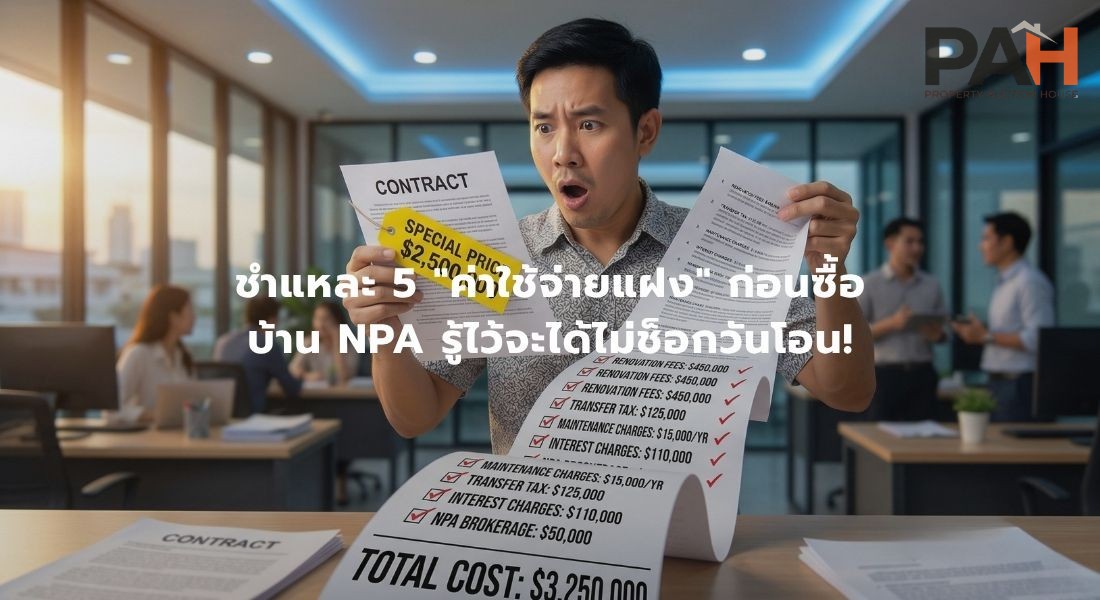
Unveiling the 5 "Hidden Costs" of Buying NPA Properties: Know Before You Close to Avoid Shock!
Buying an NPA (Non-Performing Asset), bank-owned property, or a foreclosed home often attracts investors and homebuyers with its "below-market price."
However, the truth many people miss is that these properties are strictly sold "As-Is." This means the sticker price you see might not be the final net amount you have to pay. Without proper preparation, you might experience severe "sticker shock" on closing day as your budget spirals out of control. This article breaks down the 5 hidden costs every NPA buyer needs to know and prepare for in advance.
1. Unpaid HOA Fees and Utility Bills
This is the most common "jackpot" buyers hit, especially with properties from the Legal Execution Department (foreclosures).
HOA Fees (Common Area Maintenance): By law, to transfer the ownership of a condo or housing estate property, you must obtain a "Debt Clearance Certificate" from the juristic person (HOA). If the previous owner hasn't paid for years, the new buyer often has to take responsibility and clear this entire debt before the transfer can proceed.
Water and Electricity: If the meters have been removed due to unpaid bills, you will have to pay installation fees for new ones, and potentially clear the old arrears (depending on the regulations of the local utility authorities).
2. Transfer Fees and Taxes
When buying a brand-new home from a developer, there are often "free transfer" promotions. But for NPA properties, you must read the contract carefully to see "who pays what."
Ownership Transfer Fee: Typically 2% of the appraised property value. Sometimes the bank splits this with you, or the buyer might have to shoulder the entire cost.
Withholding Tax and Specific Business Tax / Stamp Duty: While the seller (the bank) usually covers this, in some foreclosure auction scenarios, the buyer might be required to take on this financial burden. Always inspect the auction announcement details meticulously.
3. Eviction Costs
This hidden cost drains both your "money" and "time." It happens if the NPA property you just bought is still occupied by the former owner or tenants who refuse to move out.
You cannot simply walk in, change the locks, or throw their belongings out—doing so is illegal and constitutes trespassing.
You will have to pay for a lawyer, court fees, and legal execution costs to file a formal eviction lawsuit, which can take anywhere from 3 months to over a year to resolve.
4. Major Repairs and Renovation Costs
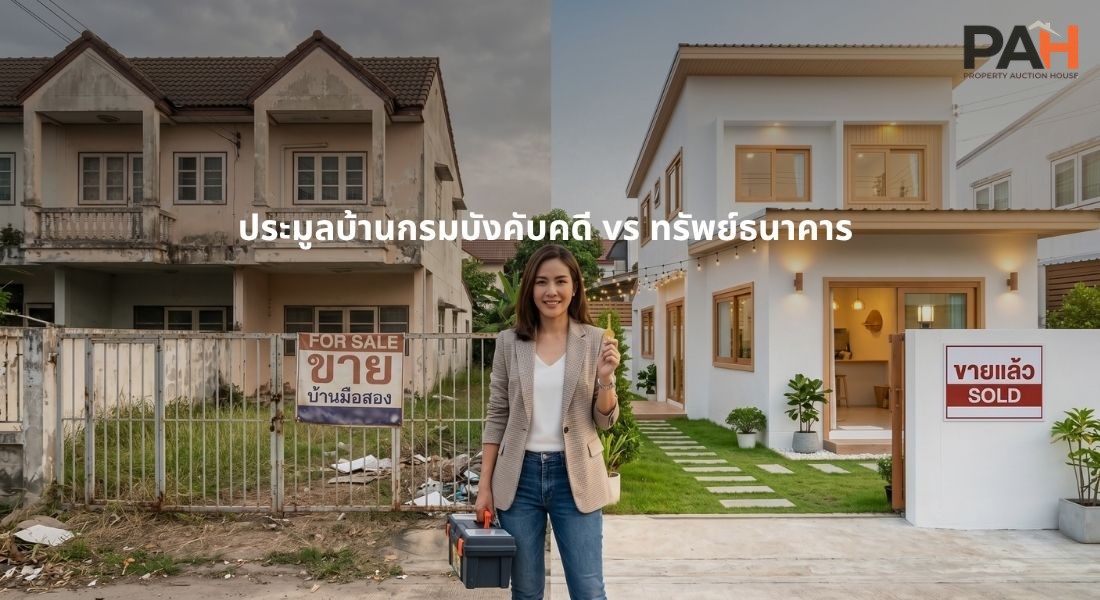
"Sold As-Is" means what you see is what you get. Most NPA properties have been abandoned for a long time or lack basic maintenance.
There could be invisible problems like severe water leaks, termite damage to the structural wood, or a completely ruined electrical system.
Recommendation: Always prepare a contingency budget of at least 10% - 20% of the purchase price for repairs and renovations to bring the house back to a livable or rentable condition.
5. Mortgage Registration and Loan Fees
If you are not buying with cash and are applying for a bank loan to purchase the NPA, there are counter fees you must prepare to pay in cash on closing day.
Mortgage Registration Fee: 1% of the total loan amount.
Property Appraisal Fee: Approximately 2,000 - 3,000 THB.
Fire Insurance Premium: A mandatory requirement when taking out a home loan.
Conclusion
Buying an NPA property is a highly rewarding choice if you do your homework. The golden rule is to "visit the actual property location," ask the juristic person about outstanding debts, check if anyone is currently living there, and read every single line of the sale conditions. By doing this, you can calculate your true costs and secure a great property without future headaches.